

White mold in the pool is a naturally occurring fungus that is commonly found in pool areas with poor circulation. While it is not harmful to humans, it can be unsightly, cause clogging in pool equipment, and create an unsafe environment for swimming. Due to its persistent nature, prevention is crucial in order to avoid dealing with it in the first place.
What is White Mold in the Pool?
White Mold in the Pool is a type of fungus that naturally occurs in water, particularly in areas of pools with low circulation, such as ladders, skimmers, and behind return jets. If you notice it floating in your pool water, it is likely present throughout your entire piping and filtration system. Its presence may indicate a chlorine level issue as well.
Visually, white water mold appears as a white fungus resembling shredded tissue paper or mucus, with a flaky appearance. It typically floats on the surface of the pool water but can also be submerged.
This type of mold is non-pathogenic and poses minimal danger to swimmers. The organisms die shortly after leaving the water and drying off. However, it is often accompanied by pink slime, a bacteria that can cause various illnesses.
White water mold has a protective coating that makes it highly resilient to chlorine, bromine, and other sanitizers and germicides. These unpleasant fungi can deplete a pool’s oxidizer levels, making it extremely challenging to maintain the proper sanitizer level. It is more likely to develop in indoor pools where UV rays cannot effectively eliminate it.
What Causes White Mold in the Pool?
White water mold can develop due to a chemical imbalance, insufficient water circulation, or inadequate pool maintenance. It is common for white mold to reoccur in pools, as even a small amount can rapidly grow into a full-sized mold colony.
How To Prevent White Mold in the Pool?
To effectively avoid the development of white water mold in pool water, simply follow the steps outlined below:
1. Clean the Pool, Equipment, Accessories, and Toys
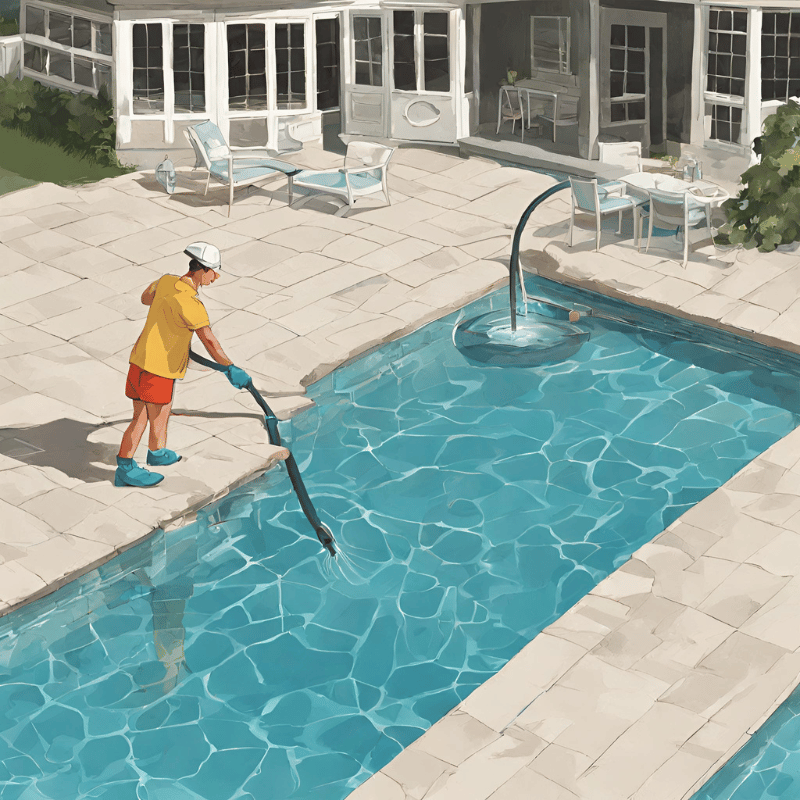
To maintain optimal cleanliness of your pool, it is crucial to follow a regular cleaning routine. Each day, start by skimming the surface and emptying the skimmer baskets to remove any debris. Additionally, use a suitable brush to thoroughly clean the walls and floors of your pool on a weekly basis. For effective cleaning of the floors, consider utilizing a powerful automatic cleaner. After each use, make sure to properly clean the pool brushes, hoses, and vacuums to prevent any potential contamination. Lastly, don’t forget to clean any other accessories, maintenance equipment, or pool toys to ensure a pristine and uncontaminated swimming experience.
2. Follow a Regular Pool Maintenance Schedule
To ensure optimal pool conditions, it is crucial to maintain balanced pool chemicals, regularly run the filtration system, and frequently brush pool surfaces. The proper level of sanitizer is of utmost importance. Additionally, after heavy rainfall or significant additions of new water, it is essential to recheck the water balance.
3. Allow For UV Exposure
To effectively combat white water mold, it is beneficial to regularly expose your pool and its accessories to the natural oxidizing UV rays of the sun. If you usually use a pool cover, consider removing it for a few hours each week to allow the water to soak in the sun’s purifying influence.
4. Clean and Operate the Pool Filter
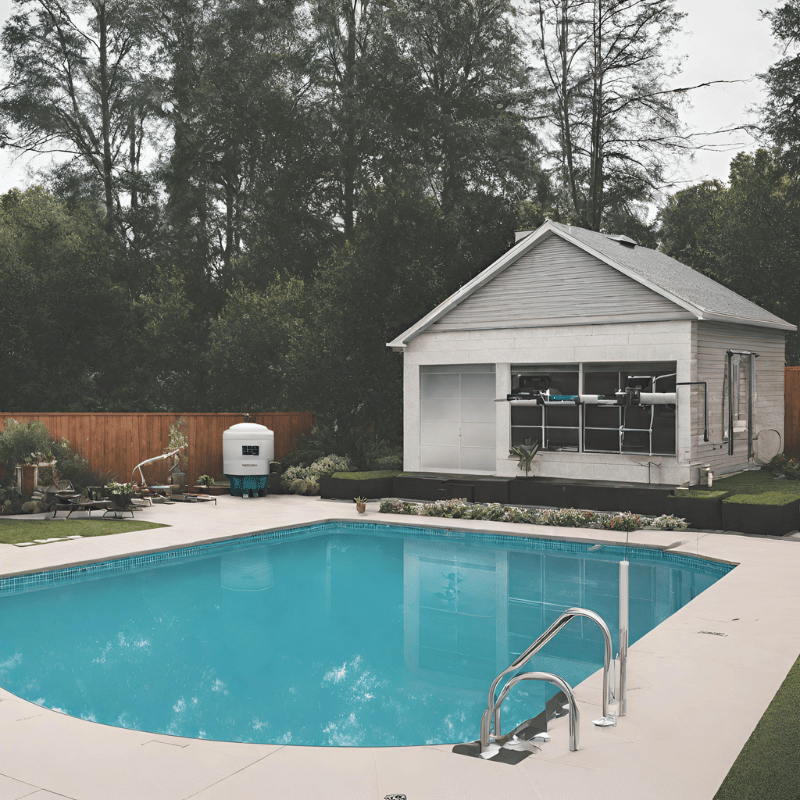
Ensure that you closely monitor your pool’s pressure gauge and regularly clean the pool filter using appropriate chemicals. Remember to backwash sand and DE filters as needed. Additionally, it is recommended to run your pool filter for a minimum of 12 hours each day to prevent the formation of dead spots in the pool.
How To Treat White Water Mold In Pools Using Chlorine
Dealing with white mold in pool water can be a challenge, but it’s not impossible. Quick and thorough treatment is essential. Follow the steps below to effectively eliminate white water mold in chlorinated pools:
1. Test Your Filter Pump
Before beginning the treatment process, ensure that your filter pump is operating correctly.
2. Filter Cleaning
If your pool has mold, chances are your filter does too. To ensure effective pool water cleaning, start by backwashing your sand or DE filter, or expose your cartridge filter to 30 ppm of chlorine for a continuous 72 hours.
2. Water Testing and Balancing
Test and balance your pool chemicals, paying special attention to pH levels. This will facilitate the next step, which is completing a shock treatment.
3. Super Chlorination
White water mold has protective cell walls that make it resistant to pool sanitizers. Consequently, high levels of chlorine are required to eliminate the mold. Shock the pool using chlorine shock and apply the treatment during dusk or at night, unless you have an indoor pool with no sunlight. Keep your pump running for a minimum of 72 hours after the shock treatment. Maintain a chlorine level of 30 ppm for 72 hours, as chlorine is quickly consumed when dealing with white mold. Continuously monitor the chlorine level.
4. Skimming and Brushing
Remove as much mold as possible from the pool’s surface by skimming. Thoroughly brush all surfaces of the pool using an appropriate brush based on the finish type – soft bristles for vinyl/tile finishes or steel bristles for plaster/concrete. Ensure you reach all the hidden spots with your brush.
5. Pool Pump Operation
Run the pool pump for a minimum of eight hours to effectively filter everything you brushed up.
6. Brushing and Vacuuming
Thoroughly brush all surfaces of the pool once again. Proceed to manually vacuum your pool.
7. Water Topping and Mold Prevention
If the water level needs to be topped up, use a garden hose. Before adding it to your pool, run the hose for a few minutes to prevent potential mold transfer. This step helps maintain the cleanliness of your pool water and prevents recurring mold issues.
8. Filter Cleaning (Again)
Clean your filter once more using a filter cleaner appropriate for your sand/DE filter or a chemical soak for your cartridge.
9. Water Testing and Balancing (Again)
Test and balance your pool chemicals again.
10. Observation
Keep a close eye for any signs of mold reappearance. If mold appears, you will need to repeat the entire process. If it doesn’t, continue maintaining the cleanliness of your pool water to prevent future mold issues.